Table of Content
- German Art Deco Wall Clock KAISER Ceramic Modernism Bauhaus Mid Century mcm Junghans 1940s 1950s
- Bette Davis, Signed Autograph Photo, Art Deco Glass Frame, 1930s - 1940s
- Chrome Cut Glass Wall Lamp / Vintage Romantic Decor
- Französisches Art Deco Conic Design Paar Tischlampen von Mazda, 1940er Jahre, Frankreich
- Blue 1940s Kitchen Full of Linoleum
It makes me want to paint a ceiling a bright color. The use of warm and rich colors in this space — combined with the symmetrical arrangement of furniture — make for a calm, cozy and inviting living area. Of particular note — the way that linoleum inlays were used in conjunction with a small area rug to visually create one larger area rug. Using a small cloth rug with a less expensive linoleum floor inlay underneath is a smart way to “have a bigger rug” without the added expense.
It’s black and white marbled linoleum with a salmon-colored inset line. None of the current patterns have the same color black nor the same marbling. Actually, the black VCT tiles with white marbling come closest but still aren’t quite right and would be slightly too thick. And I can’t seem to find the right salmon color either.
German Art Deco Wall Clock KAISER Ceramic Modernism Bauhaus Mid Century mcm Junghans 1940s 1950s
We have other work to do before we need to make a decision on the floors. Here’s to hoping more color choices come out in the mean time. Oh, just one comment regarding the Colonial Revival trend. In the small town I grew up in, population about 12000, we had two furniture stores.

To see all of Hazel Dell Brown’s thoughtful decorating solutions to common problems, view the slideshow below. Of course, I would not mind this kitchen, either. A family gathers around the living room TV set in the late 1940s or early 1950s. The Spruce is part of the Dotdash Meredith publishing family. Lee has over two decades of hands-on experience remodeling, fixing, and improving homes, and has been providing home improvement advice for over 13 years. There has been a lot of discussion in the past on gardenweb kitchens about it.
Bette Davis, Signed Autograph Photo, Art Deco Glass Frame, 1930s - 1940s
Large tempered plate glass found its way into higher-end homes. Some of these curves and scallops began to straighten out. And, unfortunately, the previous owners also remodeled the bathroom and removed a privacy wall and a few other changes which means we have areas with no linoleum. I have scoured the new linoleum and none of it matches so we’re trying to figure out a way to coordinate some pieces to look like it was intentional and not a crappy repair. When they remodeled, they removed most of the original tile as well. The only bit left is the shower floor and the frame for where the shower door is installed.
Furnishing those homes was another goal for many. Four rooms of furnishings was a substantial expense on top of the cost of the home to put them in. This example of a linoleum inlay works with the design and furniture layout of the room. We instantly know that the focal point of the room is the dining table and chairs — because it is in the center of the room and has been “pointed to” with the linoleum inlaid floor. It is only after we have taken in the table that our eyes wander to the red draperies, the pie cabinet and yes — the red ceiling.
Chrome Cut Glass Wall Lamp / Vintage Romantic Decor
BTW, the living/entry/dining areas must have always been carpeted as there is only plywood under the horrible carpet we pulled up. The click style doesn’t appeal to me, isn’t really period appropriate, and would too thick where it meets up with the linoleum. Special thanks to MBJ Collection and archive.org for making this vintage catalog available via Creative Commons license.
I just remember how cool they look in kitchens and think it’s far easier to keep your floor clean with no sharp corners for dirt and grime to get caught up in. I’m all about making cleaning as easy as possible, LOL. I found this exact same catalog at a yard sale today for $2.00. My favs are the colonial and Pennsylvania Dutch designs. The bathroom above is my personal favorite from the catalog.
Living Room 1940S Home Decor
This last room is yet another example of remodeling a single space into a room that serves many purposes. This example is described as an unused attic space that was converted into a livable one room apartment — complete with bathroom and kitchen. Keeping the color scheme simple also unifies the various functional spaces and makes the room feel larger than it is. The catalog also shows different ways that linoleum can be used — including on kitchen counter tops. Today, we hear often from readers who find remnants of vintage flooring in closets and at the bottom of cabinets. We did not get television until 1949… before that, our idols were often very glamorous.
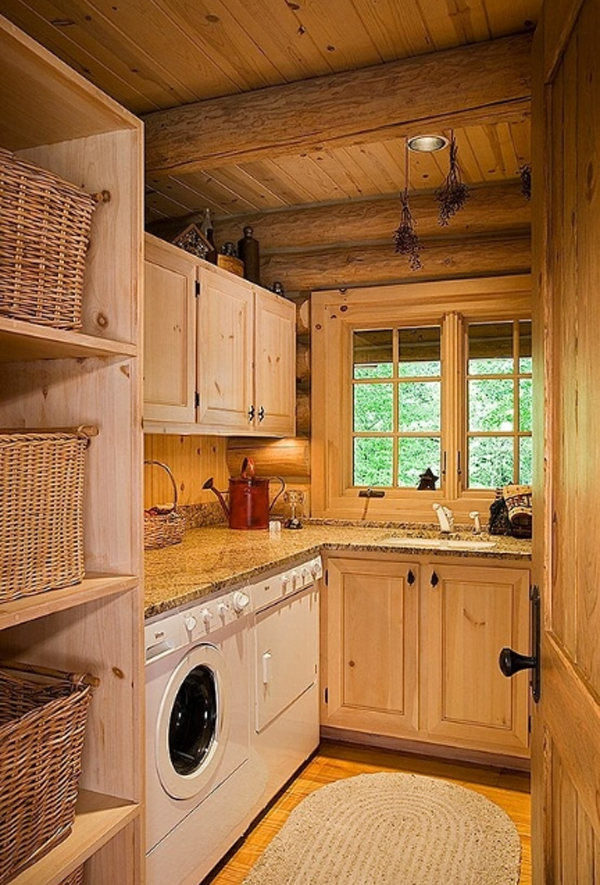
If you long for more room in your home, theres another solution besides moving to a larger house. Turn your living room into a lovely space that’s relaxing yet functional by selecting the right lighting. You not only have to pick a color but have to choose a finish and a brand as well. Decorating a small home might seem like a bit of a challenge at first.
And, the medium blue paired with chartreuse and just a touch of rose — gorgeous. What are the key elements of 1940s interior design and decorating style? What colors, shapes, patterns and “feel” did we generally see in 1940s homes?
The catalog was directed by Hazel Dell Brown — an amazing historical figure, the longtime queen of interior design at Armstrong. Use these tips and tricks to make your cozy home feel spacious and comf. There are some surprising ways to accomplish building on to your home. We made a fantastic discovery this weekend while working on our kitchen remodel. Peeling off the crappy old vinyl and pressboard flooring under it revealed the original 1949 linoleum in amazing condition.
I had always wondered where all the money came from for all those new purchases after the war. I knew people during the war were being very frugal but it never dawned on me until you said something, but hey, they were making money during the war they just had nothing to spend it on. All to conserve every scrap available to furnish materials for the uniforms and other fabric needs of the military. No, they didn’t wear the colors and the types of fabrics civilians did – it started with the raw materials and how they were put to use.


No comments:
Post a Comment